Your Comprehensive List to Choosing Excellent House Painting Services: Everything You Should to Know
Choosing experienced house painters is more than just picking the first name that is found. A systematic approach is necessary. Potential clients must consider certifications, experience, and insurance coverage. Evaluating portfolios can reveal the painter's focus on quality. Additionally, asking the right questions and comparing estimates can prevent costly mistakes. Understanding key contract elements is also essential. What specifics should one focus on to guarantee a satisfactory outcome? The answers may surprise you.
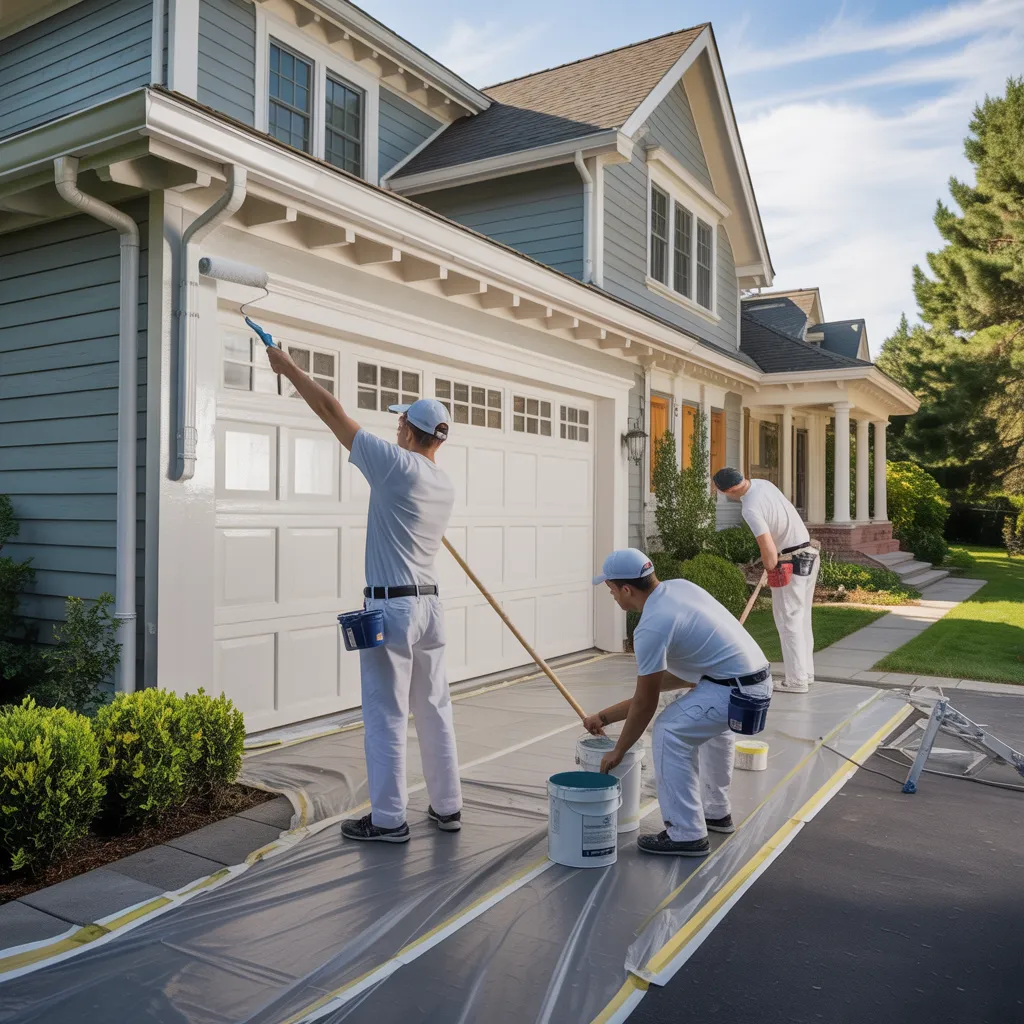
What Skills Should You Look For in a Paint Contractor?
When choosing a house painting contractor, it is vital to evaluate their qualifications to ensure a high-quality result. Key qualifications include practical background, which showcases the painter's expertise with different methods and products. A proper licensing is essential, as it shows adherence to local regulations and safety standards. Insurance coverage is another critical consideration; it safeguards both the contractor and the homeowner in case of accidents or damages. Additionally, certifications from reputable organizations can demonstrate specialized education and expertise. References from previous clients offer understanding of the painter's reliability and quality of work. Finally, a comprehensive knowledge of color theory and finishes can enhance the visual appeal of the project. By carefully considering these qualifications, property owners can choose wisely and select a painter who will produce quality outcomes.
Tips for Analyzing a Painter's Collection
Assessing a painter's portfolio involves examining the range of projects showcased and evaluating the general standard of their work. A wide selection of finished projects can demonstrate versatility and adaptability to various styles and what clients require. Additionally, careful consideration of details in the portfolio can reveal the painter's skill level and commitment to excellence.
Assess Initiative Range
Assessing a painter's body of work shows the range and scope of their abilities and background. A varied collection of work showcases the painter's aptitude to manage various styles, techniques, and project types, from residential interiors to commercial exteriors. Potential customers should look for examples featuring varied palettes, textures, and applications, which indicate versatility. Moreover, examining work of multiple dimensions can provide insight into the painter's flexibility and organizational abilities. It is equally important to evaluate how skillfully the painter has executed challenging work, as this demonstrates their competency with special requirements. At the end of the day, a comprehensive body of work not only highlights artistic talent but also assures clients of a painter's expertise in varied situations and demands.
Examine Standard of Work
To evaluate the quality of a painter's work, one needs a keen eye for detail and knowledge of craftsmanship. A detailed portfolio highlights a painter's range and skill. Potential clients should examine before-and-after photos, focusing on smooth finishes, clean lines, and consistent color application. It is crucial to consider a variety of projects, covering different styles and techniques, to measure the painter's adaptability. Customer testimonials and reviews can reveal the painter's reliability and professionalism. Furthermore, visiting completed projects, when possible, provides a firsthand look at workmanship. In the end, a comprehensive evaluation of a painter's portfolio will help in deciding if they meet the expected standards of quality and aesthetic appeal.
Key Topics to Raise with Your House Specialist?
When hiring a house painter, what key questions should homeowners ask to achieve a positive project? To start, they should inquire about the painter’s background and references. Knowing how long the painter has been in business and looking at past client testimonials can give important insight into their reliability. Homeowners should also inquire about the quality of paint and materials the painter uses, ensuring they are premium and appropriate for the individual job. Furthermore, it is essential to clarify the timeline for project completion and whether any delays might occur. Homeowners should also go over the projected cost, including labor and materials, to avoid additional charges down the line. refer to this page In the end, they must validate if the painter provides warranties or guarantees on their work, giving assurance of quality and longevity. By posing these important questions, homeowners can make informed decisions and help ensure a smooth painting experience.
Approach for Contrasting House Painter Cost Assessments
After obtaining essential information through questions, homeowners frequently receive multiple quotes from various house painters. To efficiently compare these estimates, it is vital to look beyond the total cost. Homeowners should review the scope of work listed in each estimate, confirming that all painters are quoting for the same services, such as surface preparation, number of paint coats, and type of materials used.
In addition, checking the estimated timeline for work completion can highlight distinctions in productivity. Homeowners should also evaluate the standing and background of each painter, as lower costs may point to a lack of quality or reliability.
In conclusion, it's advantageous to evaluate any guarantees or guarantees provided, as these can offer understanding into the painter's faith in their work. By thoroughly examining these factors, homeowners can reach an informed decision that guarantees they choose a quality house painter who meets their specific needs.
Essential Contract Provisions for Securing Quality Paint Work
A carefully prepared contract is essential for obtaining high-quality painting services. It should explicitly detail the extent of the project, identifying the areas to be painted and the types of materials to be used. This transparency helps prevent misunderstandings and ensures that both parties have aligned expectations.
The contract must also include a detailed timeline that shows start and completion dates. Payment terms should be explicitly defined, detailing deposit amounts and final payment conditions. In addition, it is necessary to include provisions for liability and insurance coverage, protecting the homeowner from possible damages during the project.
Warranties covering labor and supplies must be established to assure strength and standards. Finally, adding a clause for dispute resolution can deliver a clear framework for managing any challenges that could emerge. These key elements collectively contribute to a accomplished painting project, ensuring both standards and contentment for the homeowner.
Make Sure Quality Results After the Paint Application
Guaranteeing quality results after a paint application demands careful inspection and maintenance. Homeowners should conduct a thorough walk-through to detect any flaws, such as runs, overlooked areas, or inconsistent application. These issues should be recorded and discussed with the painting contractor promptly, allowing for timely corrections.
Moreover, caring for the paint finish is important for longevity. Homeowners should refrain from harsh cleaners and use mild solutions that won't damage the paint. Frequently assessing for indicators of deterioration, such as peeling or color loss, can help tackle complications before they escalate.
It is also advisable to establish a follow-up schedule with the painting professional. Some professionals offer warranties or maintenance work, guaranteeing continuous excellence. By taking initiative, homeowners can extend the life of their painted surfaces and preserve the visual beauty of their home, eventually increasing its value.
Often Asked Questions
What Amount of time Will the paint work Need to finish?
The length of a painting project typically ranges from a few days to several weeks and can vary considerably. Multiple elements affect this timeframe, such as the project size, intricacy, weather conditions, and the level of painter experience.
What Types of Paint Do You Recommend for My Home?
Professional house painting experts regularly recommend acrylic latex for interiors because of its durability and easy cleanup, while exterior surfaces work better with oil-based paints for weather resistance. Additionally, sustainable alternatives are increasingly favored for wellness-minded homeowners.
Do You Offer Any Guarantees or Guarantees for Your Work?
Many established house painters provide warranties or guarantees for their work, ensuring client trust and assurance in the caliber of their work. It's wise for homeowners to inquire about exact conditions before employing a painter.
Will You Remove debris After the Job Is Done?
Most established house painters promise thorough cleanup after finishing the job. They typically clear away any remnants, paint drips, and tools and materials, leaving the space tidy and ready for the homeowner's satisfaction and utilization.
Would you be able to offer references from prior clients?
Quality house painting contractors should promptly furnish references from previous customers. These testimonials provide information about their professionalism, workmanship, and reliability, helping potential customers make informed decisions based on other clients' favorable feedback with their work.